Ein Artikel im Warenkorb












Videgård's selected recipes from Vietnam
We continue our article series with recipes from the world's culinary cultures and let chef and cookbook author Erik Videgård share his insights on flavors. Next up is Vietnam, where Videgård shares a selected recipe from his cookbook.
foto: joel wåreus
Text: Camilla åsedal
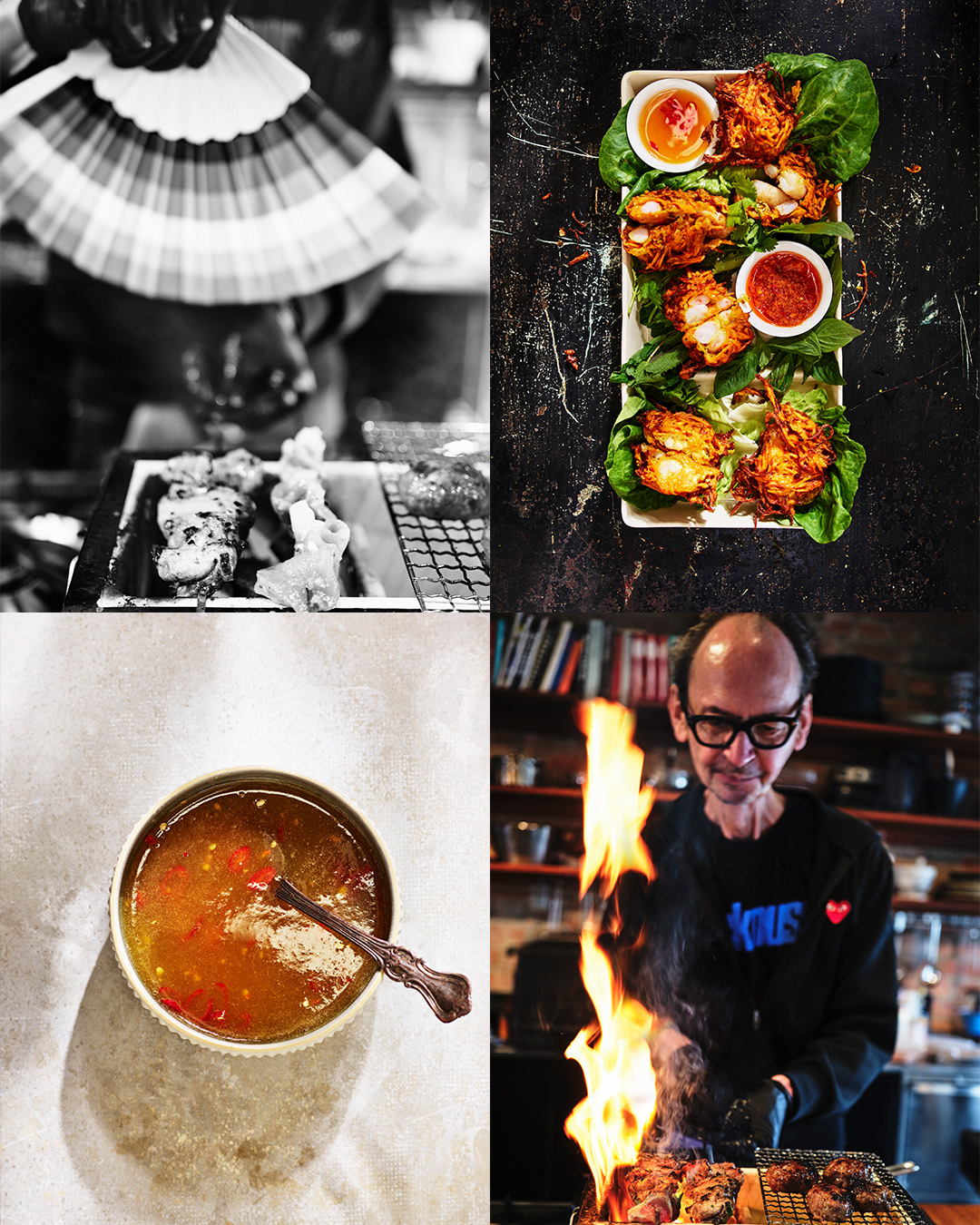
Restaurateur Erik Videgård has written several acclaimed cookbooks focusing on various food cultures and cuisines around the world. In our three-part article series, we explore one food culture at a time through his books. This time, we get a taste from the cookbook Videgård's Best Recipes: Vietnam (Videgårds bästa recept: Vietnam), available in swedish.
Bánh tôm hô tây – Fried Shrimp and Sweet Potato
"If I could only choose one dish from the book, it would be this one. When I tested the recipe and we photographed the dish, I was surprised by all the different textures and flavors. The dish was crispy, creamy, crunchy, and juicy all at once."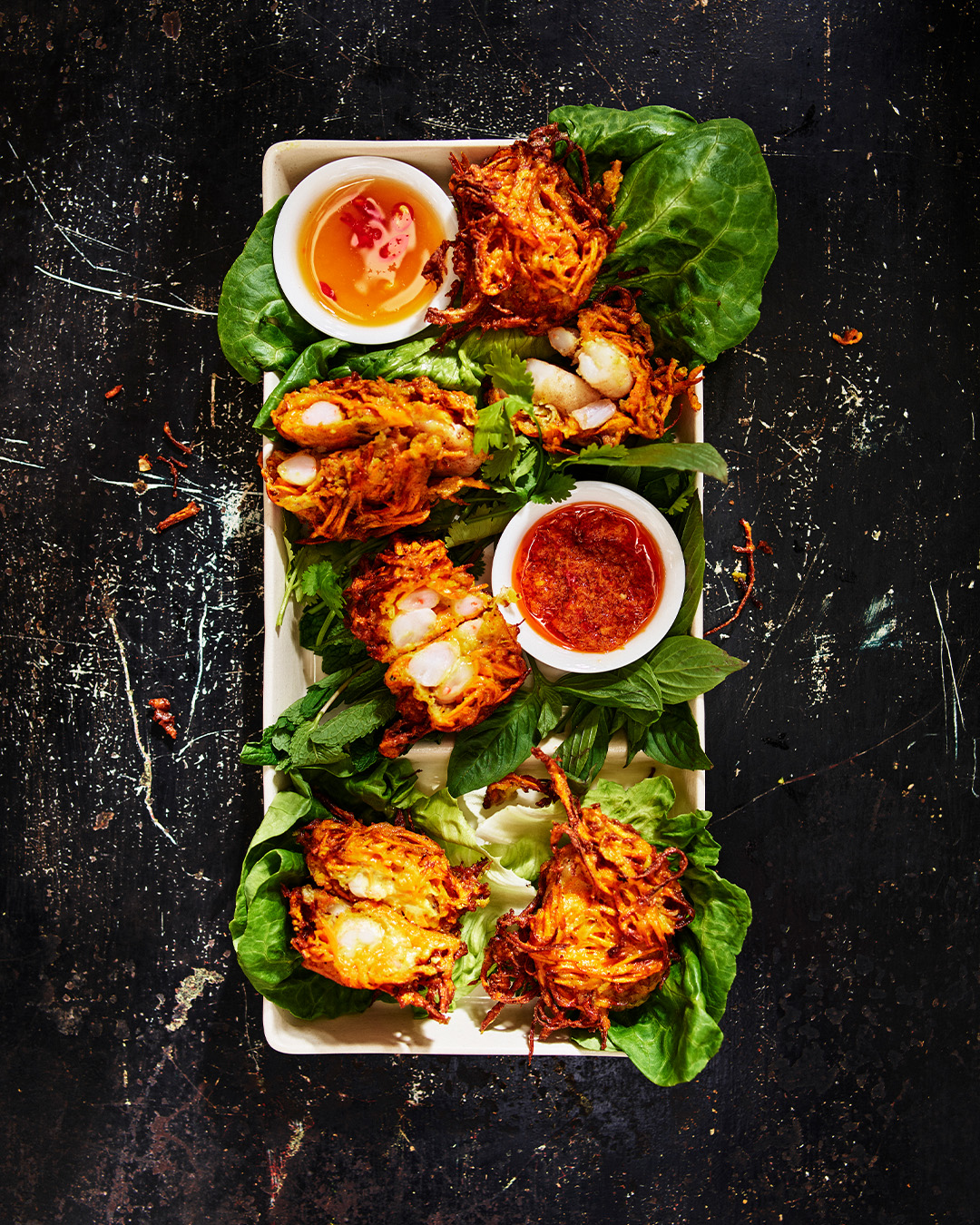
“The ingredients set off a flavor carousel on the palate. An amazing dish!”
Batter
150 g all-purpose flour
2 tbsp rice flour
1 tsp salt
½ tsp black pepper
1 tsp chicken bouillon powder
½ tsp turmeric
2 green onions, white part, thinly sliced
1 egg
2 ½ dl water, room temperature
280 g sweet potato, cut into matchsticks
Mix the ingredients, except for the sweet potato, in a large bowl and whisk until smooth, then add the sweet potato and fold it in. Heat the oil to 180°C. Place some of the batter in a wooden spoon, add two shrimp, and top with more batter using chopsticks or a spoon. Lower the wooden spoon into the oil and push off with another wooden spoon, fry for 2 minutes, then turn the package over and fry for another 1 minute. Let the crispy shrimp drain on a rack or a baking sheet lined with paper towels.
Shrimp
450 g raw peeled vannamei shrimp
½ tsp salt
½ tsp chicken bouillon powder
½ tsp black pepper
2 tbsp rice starch
Oil for frying
Mix the dry ingredients in a plastic bag, add the shrimp, and shake the bag until they are coated in the mixture. Place the shrimp on a tray.
Accompaniments
Salad leaves
Mixed herbs
Nuoc cham dipping sauce
Chili and lemongrass sate dip
Serving
Spread the salad and herbs on a plate, place the packages on top, and serve the sauces on the side. Place each shrimp in a salad leaf, top with herbs, wrap up, and dip in the sauces.
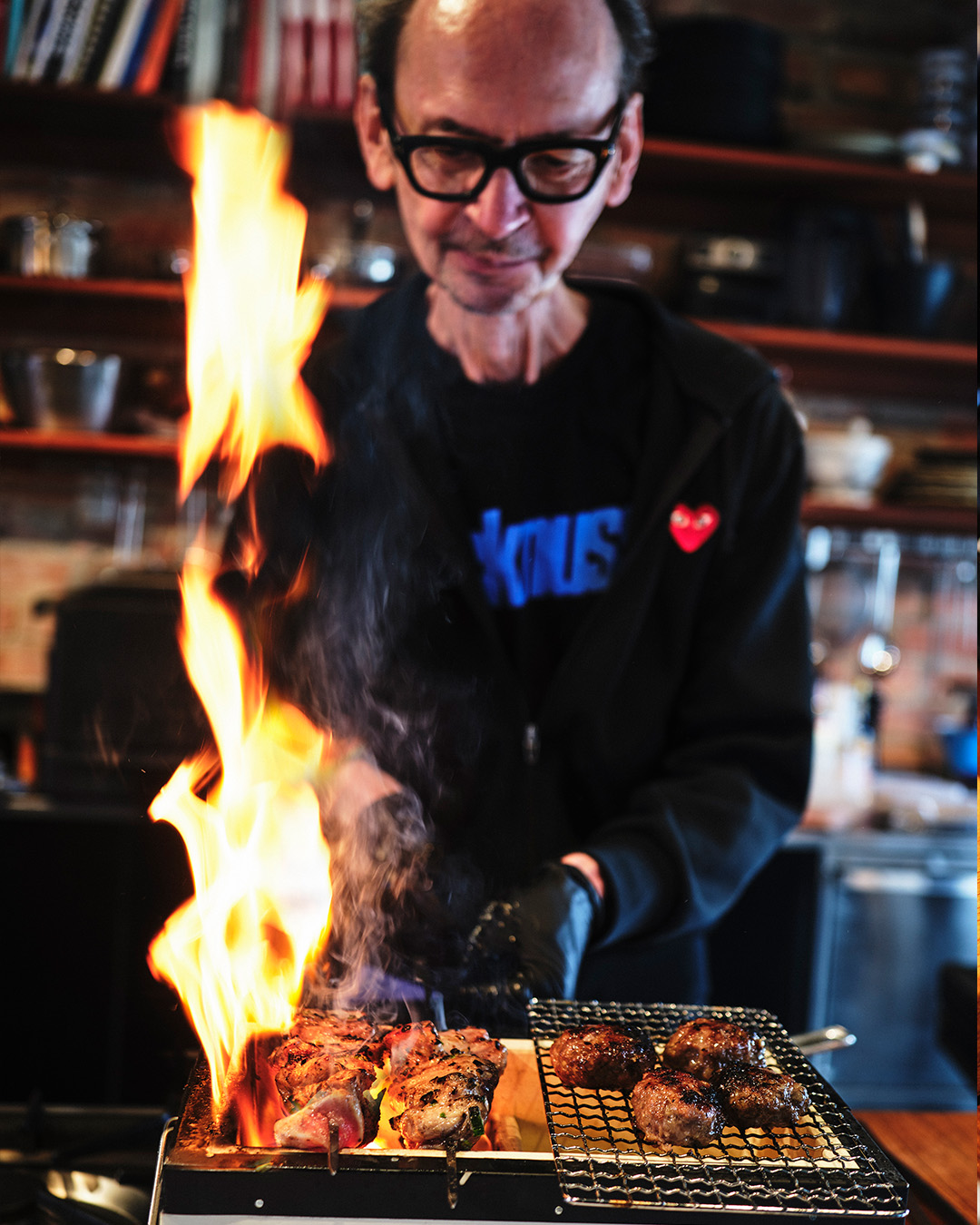
What makes Vietnamese cuisine so fascinating?
– Vietnamese cuisine has a freshness and elegance that you won't find in, for example, Thailand or Korea. It's light, green, and fresh, while also having "funky" tones and a mild heat. The French influences can be seen in the intricate compositions.
What ingredients do I need to have at home as a beginner to succeed in Vietnamese cuisine?
– Fish sauce, lime, chili, and fresh herbs.
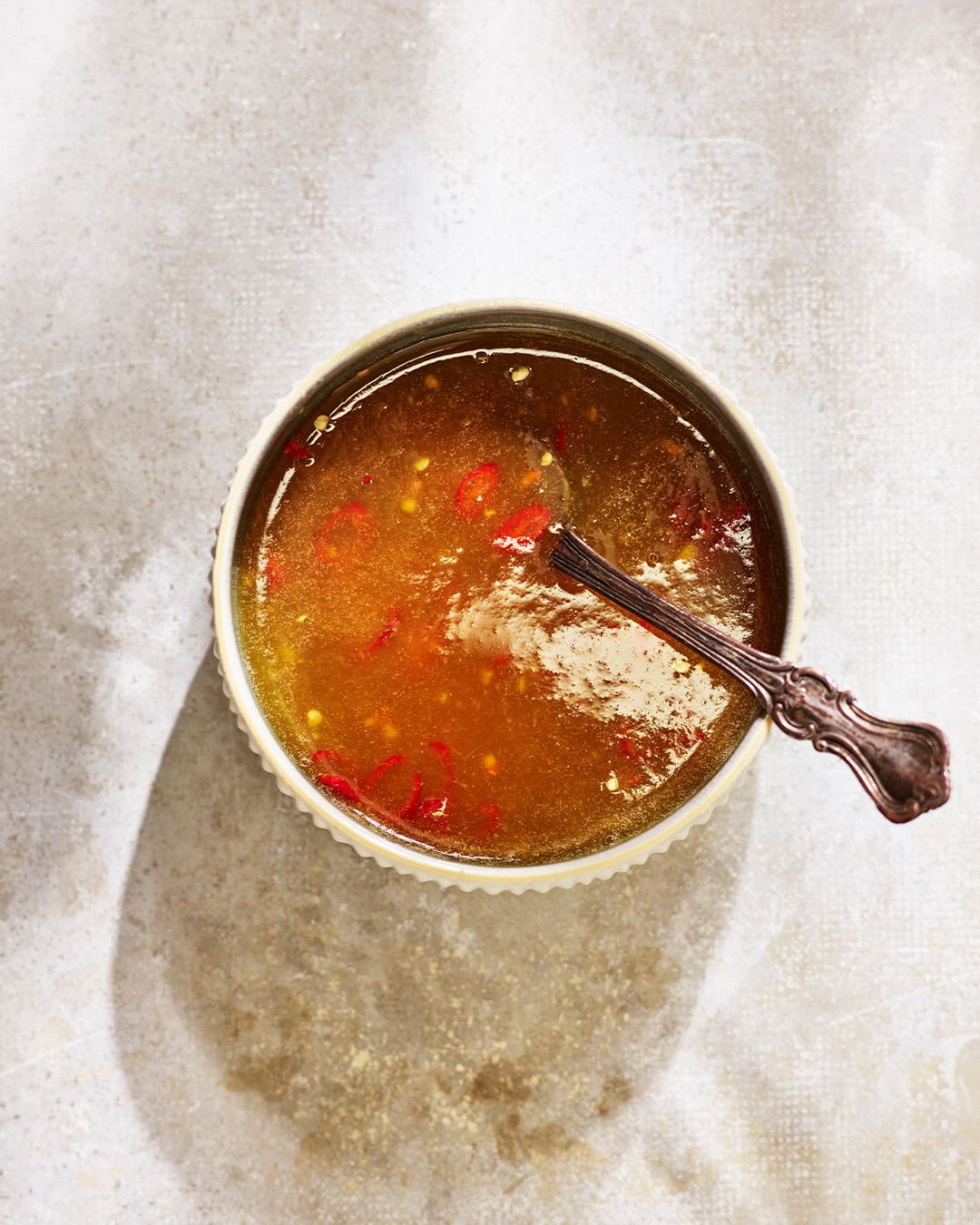
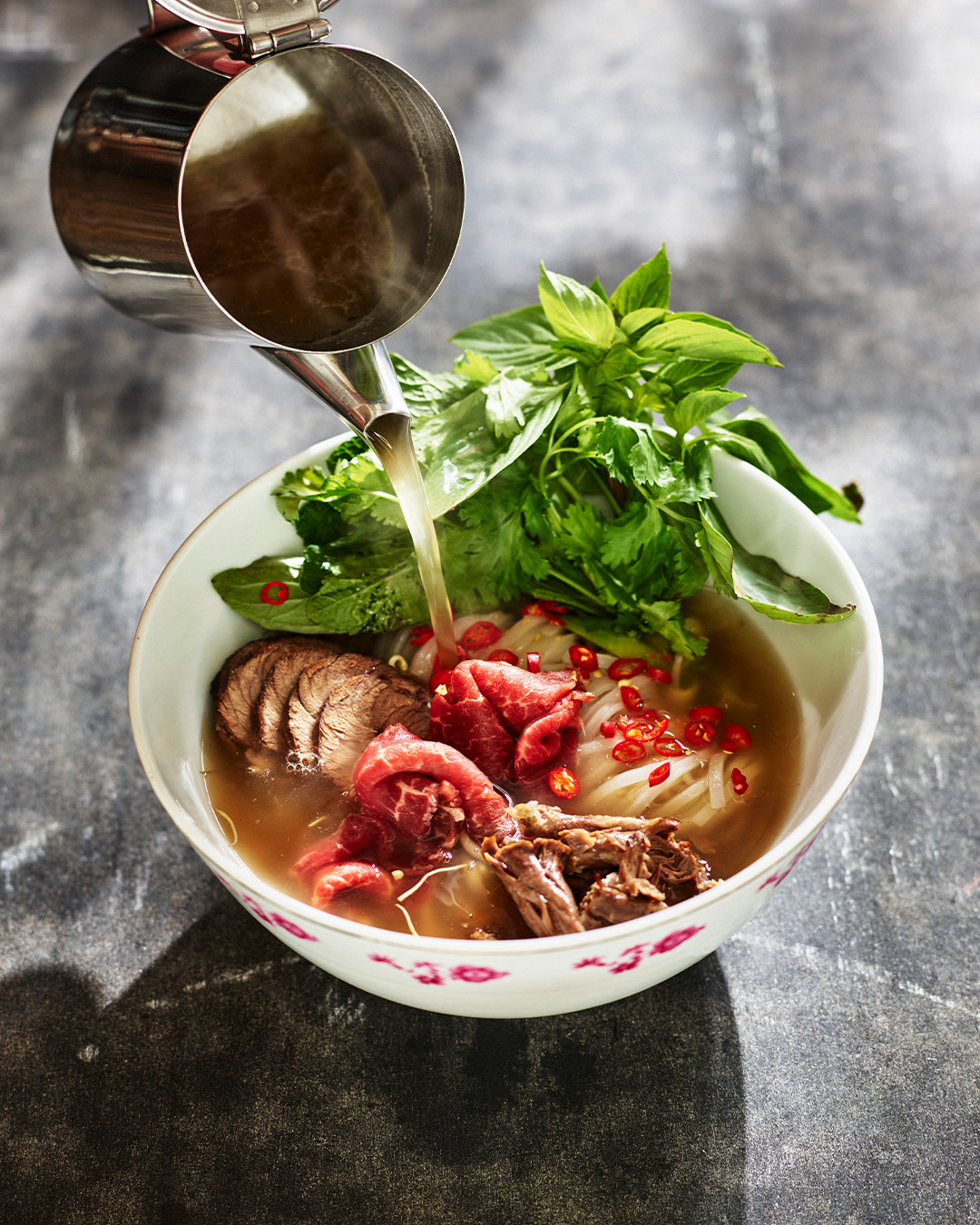
What is your strongest food memory from Vietnam?
– A street corner in Hoi An. I had received the recommendation at my hotel in Da Nang when I asked where I could eat the best Cao Lâu, a noodle soup that is unique to Hoi An. Upon arriving at the street corner, I found three elderly ladies lined up, each with their own wok, a few tables and chairs, and a small sign indicating what was being served. – Cao Lâu? I asked the first lady. She just shook her head but got up, took my hand, and led me to lady number three. With a crooked finger, she pointed at the woman and said – Cao Lâu!
– I took a seat at a table, and within a minute, I was served a steaming bowl of noodles, pork, and shrimp swimming in a tangy and spicy broth. This was Vietnam at its finest!
Verwandte Lektüre
-
Videgård's Selected Recipe from Mexico
-

Outdoor Life: The Wellness Trend Norway Never Needed to Name
-

A Quality Evening Routine That Doesn't End on Your Phone
-

Why Offline is the New Luxury
-

Summer Vacation Tips: Three Current Movies and Series to Binge-Watch
-

Bella Italia - diese fünf traumhaften, klassischen Hotels sind einen Besuch wert