Ein Artikel im Warenkorb
















Rolex Oyster 100th Anniversary
This year, Rolex Oyster celebrates its 100th anniversary. But what is it that makes this groundbreaking invention so special?
Foto: Leo Prim & Gustaf Peterson
Text: Joakim rönnqvist
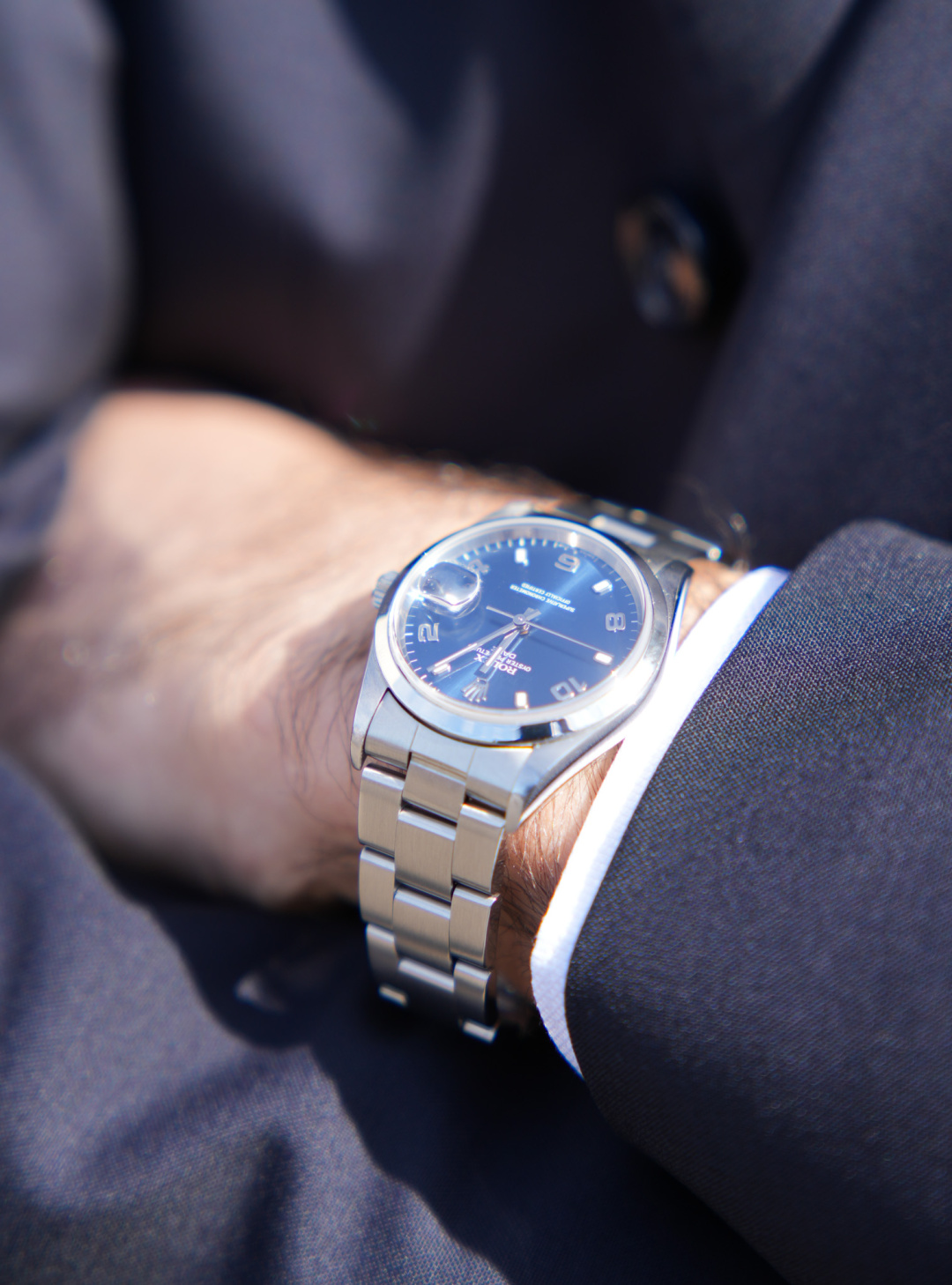
It’s easy to take certain things for granted. Like a watch being able to handle a regular day. A little rain, a bit of water on the hands, a quick jog between two meetings, and everything that happens in between. Nothing unusual.
But it hasn’t always been this way.
When watches required a little more care
There’s a reason why vintage wristwatches are still cherished. They are slim, elegant, and crafted with a precision that feels natural on the wrist.
But they also have a weakness. Moisture can seep in. Dust can too. And even though the movement itself is technically impressive, it matters less if hydrogen and dirt start finding their way into the mechanism. So you live a little more cautiously with your watch. It’s there, but always with a certain regard.
The idea that changed everything
When Rolex founder Hans Wilsdorf introduced the concept of the "Oyster" in 1926, it was with a rather straightforward thought: what if we could simply keep out what causes problems.
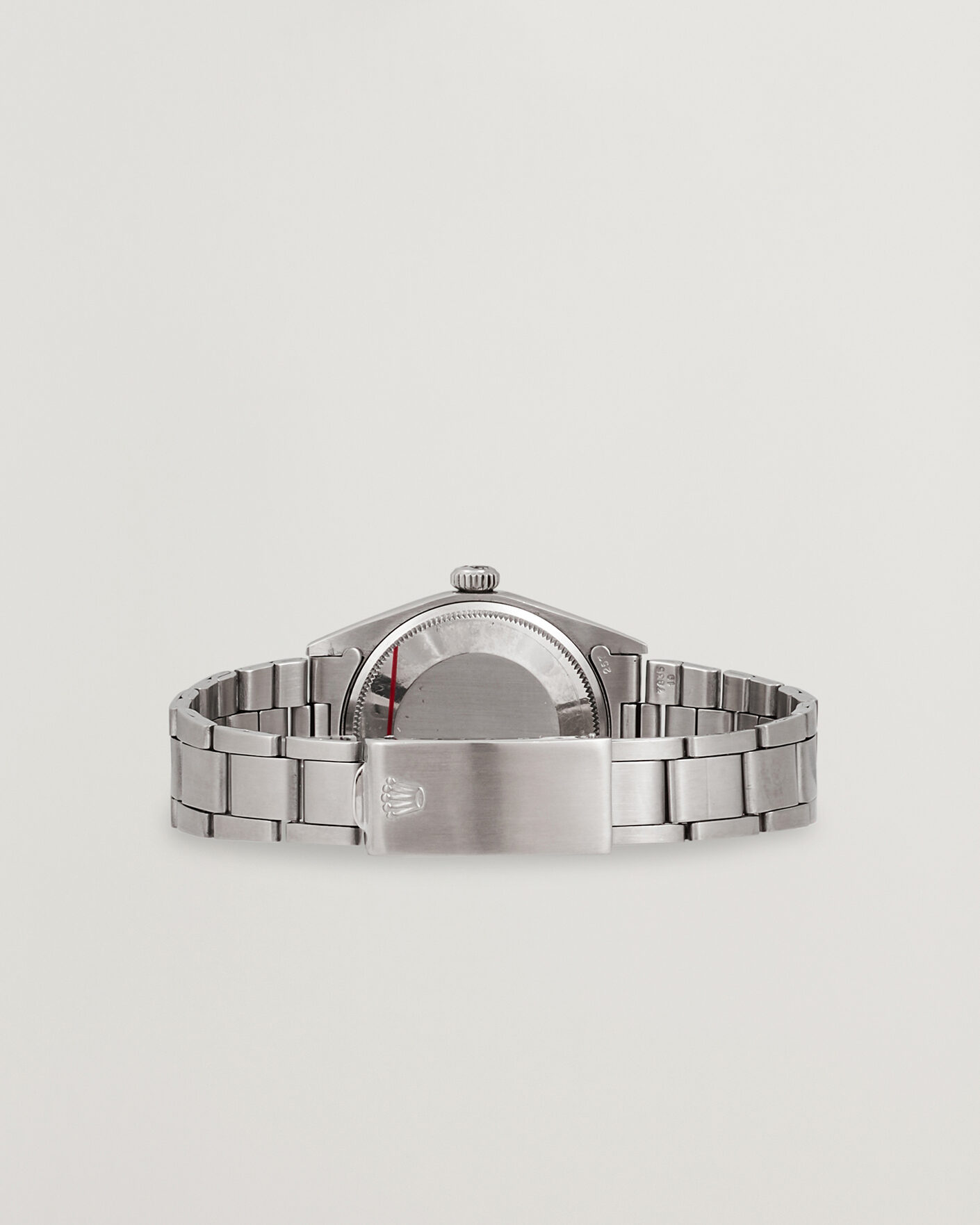
Nothing more complicated than that. A case that screws together to become watertight. A crown that locks. A construction where every part works towards the same goal.
It was named Oyster, like an oyster. Something that protects what’s inside by simply keeping water and dirt out. Today, it sounds obvious, but it certainly wasn't in the mid-1920s.

The test that set the tone
The year after the introduction of the Oyster case, Rolex did something that in hindsight feels remarkably contemporary. They strapped a watch to the wrist of British swimmer and then-influencer Mercedes Gleitze and let her swim across the English Channel. It wasn't a controlled test in a workshop. It was cold water, a long time, real conditions.
And when she emerged, the watch was still functioning. Really, that was all it took for the idea to take hold.
And that’s where something greater begins
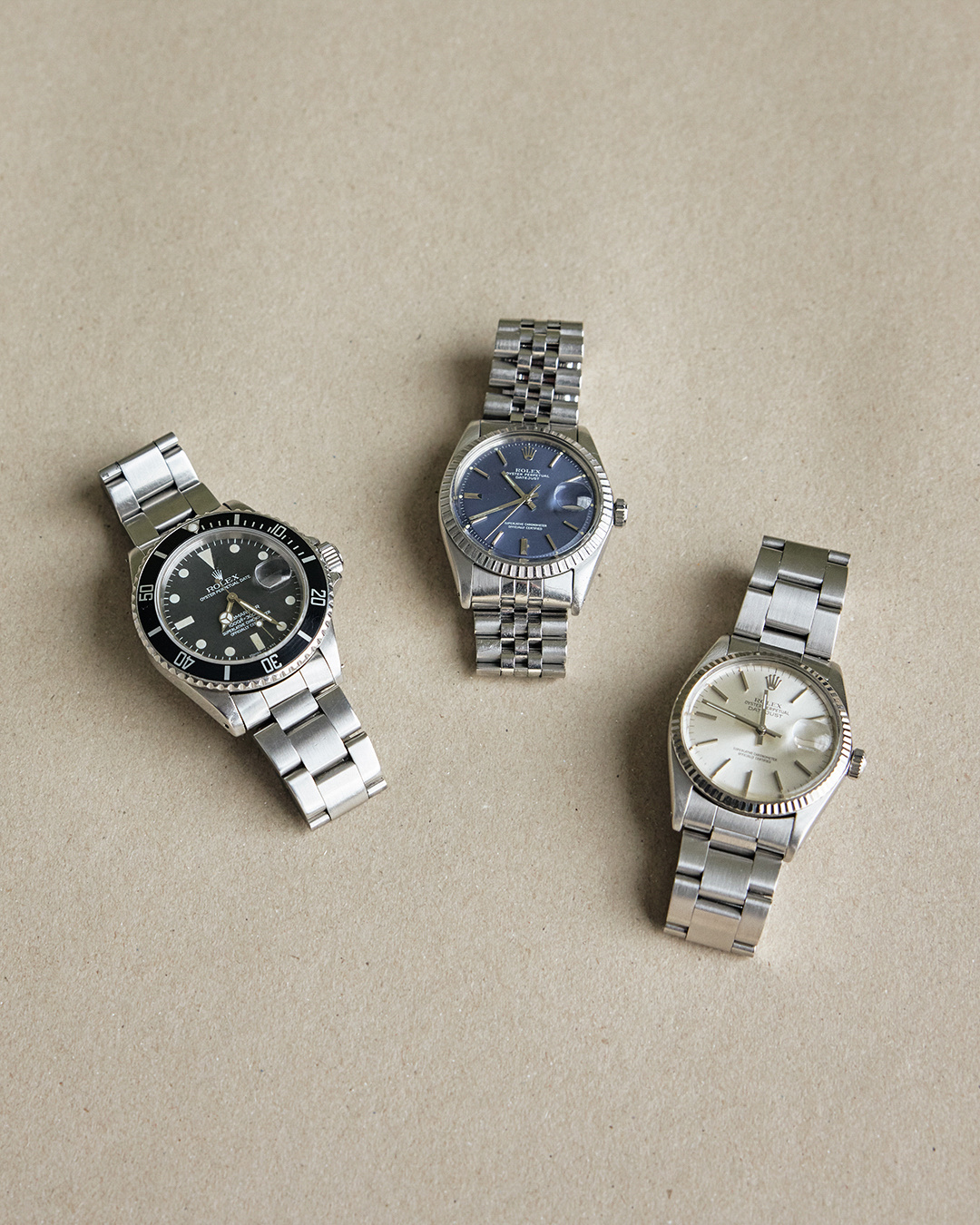
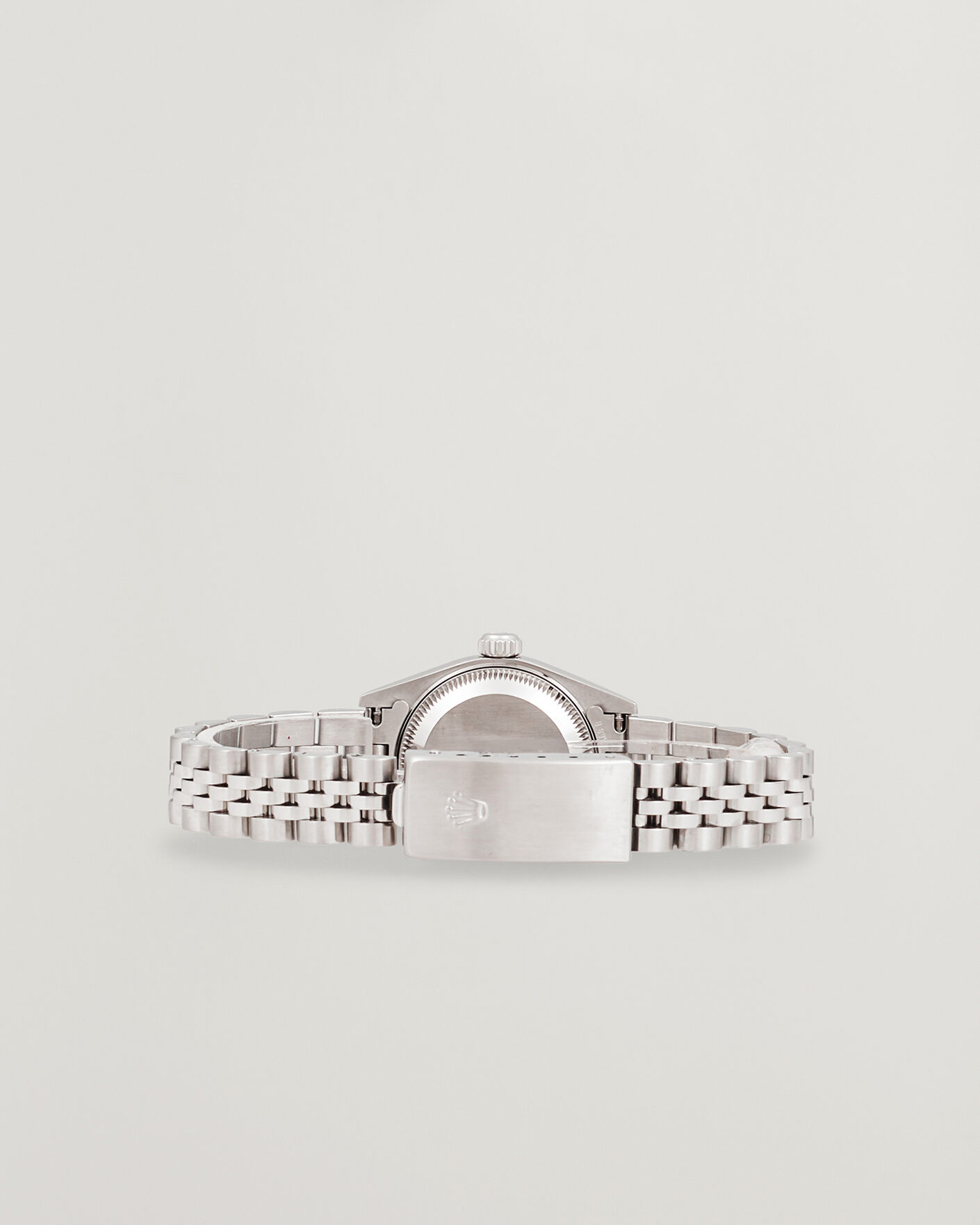
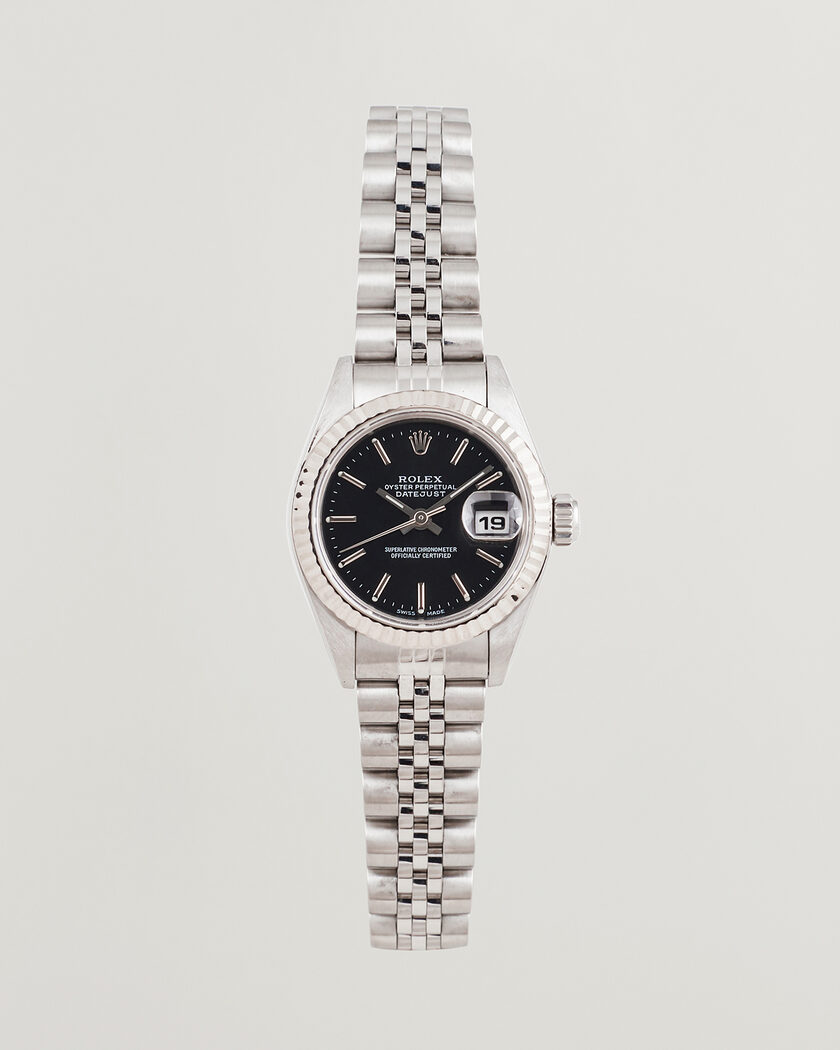
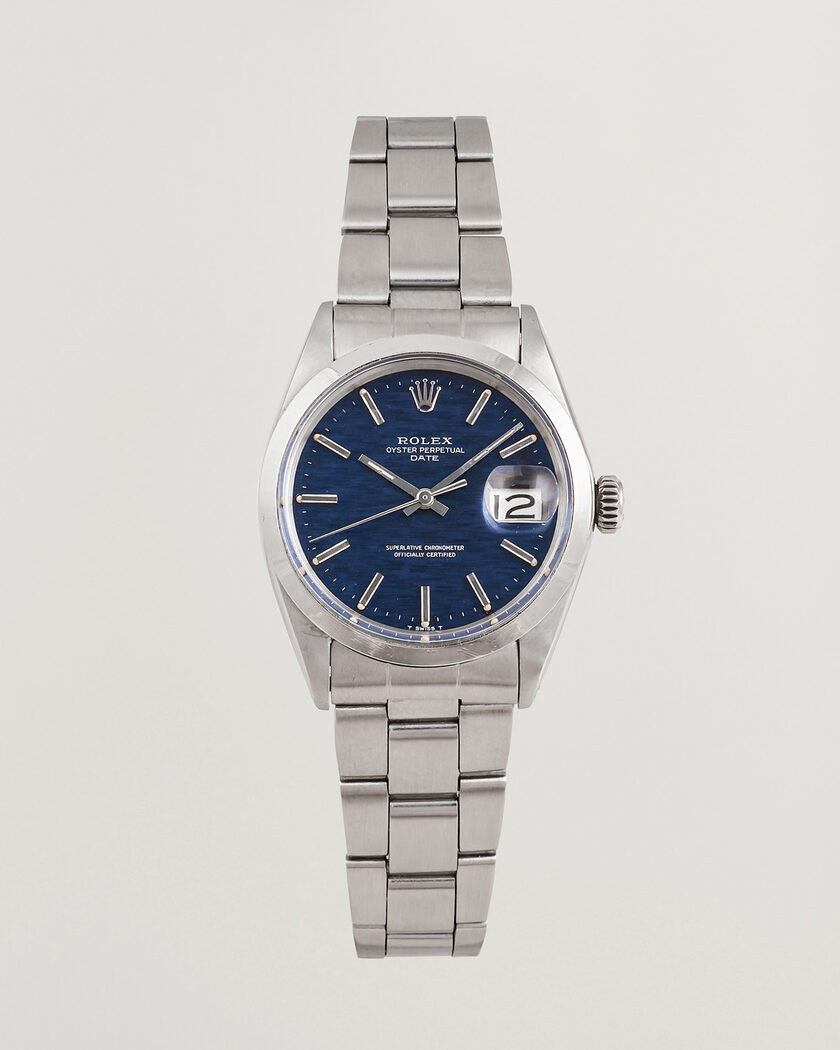
Today, the Oyster case is an integral part of Rolex's history, but it is more than just that. It is a foundation. For when the Rolex Datejust was introduced in 1945, featuring a date display and its automatic movement, it wasn’t a new direction in itself, but rather a next step in the same idea: that a watch should be able to accompany you through everyday life without you having to think about it.
And that’s still the case, 100 years later. The Oyster case continues to thrive in Rolex's modern sports watches.
One hundred years later
This year, Oystern turns 100 years old.
And although much has changed—materials, technology, and possibilities—the essence remains the same. A watch that doesn’t need to be protected from life, but simply goes along with it. Nothing more dramatic than that. A good watch isn't always noticed. It doesn't disturb. It demands nothing. It just exists, through everything that happens around it. And when something operates in that way, you eventually stop reflecting on it.
But perhaps that’s exactly why it still feels relevant.

Verwandte Lektüre
-
Three unique Pre-Owned & vintage watches – and the autumn look to go with them
-

Meet the photographer and watch enthusiast Raffael Frenner
-

The watches in The Gentlemen (and what they say about the characters)
-

Julien Toretto and the Art of Curating Watches
-

The style and watches of The Gentlemen season 2
-
The Watches in Succession (and What They Say About the Characters)